Source aseptic electric bag filling machine for Drinks, Dairy, and Cosmetics
Compare 30 aseptic electric bag filling machine options from verified suppliers. These units support filling for drinks, dairy products, and cosmetics with customizable configurations and automatic operation capabilities.
Key considerations
Products List


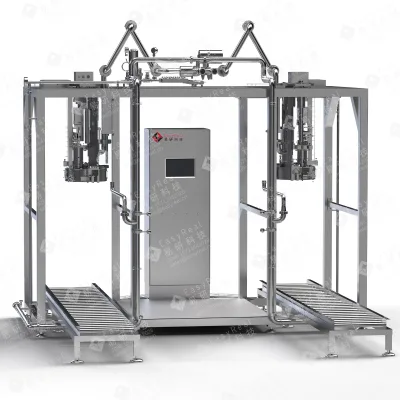


Quality and Quantity Assured Bags Sealing Machine Juice Aseptic Bag Filling
$20000.00 - $150000.00
Moq: 1

Complete in Specifications Liquid Filling Sealing Plastic Aseptic Bag Filling
$20000.00 - $150000.00
Moq: 1


Comprehensive Sourcing Guide
Strategic Sourcing Guide for Aseptic Electric Bag Filling Machines
The global demand for aseptic packaging has driven significant innovation in liquid processing equipment, particularly for industries handling sensitive products like juice, dairy, and cosmetics. For procurement professionals, the aseptic electric bag filling machine represents a critical investment that balances high-speed output with stringent hygiene standards. This guide synthesizes available market data to provide a disciplined framework for sourcing these machines, focusing on technical specifications, compliance verification, and operational efficiency without relying on unverified marketing claims.
Technical Architecture and Operational Specifications
Understanding the mechanical and electrical architecture of an aseptic bag filling machine is the first step in any sourcing process. The core functionality of these units typically revolves around the filling and sealing of flexible containers, specifically aseptic bags ranging from 5 liters to 1000 liters. The observed market data indicates that these machines are predominantly driven by electric motors, with power consumption varying significantly based on the specific model and intended throughput. For instance, certain configurations operate at 1.1KW, while others designed for higher capacity may require 4.5KW power inputs.
Voltage requirements are a critical compatibility factor. While some units are designed for single-phase power, which is common in smaller facilities, high-capacity industrial models often require 380V three-phase power to ensure stable operation under load. The frame construction is another vital technical attribute; high-quality units utilize SUS304 stainless steel for the main frame and contact parts, ensuring resistance to corrosion and ease of cleaning. This material choice is essential for maintaining the aseptic environment required for food and beverage applications.
The output capacity of these machines is a primary determinant of their suitability for specific production lines. Data suggests that output rates can reach up to 1000kg per hour, though this is heavily dependent on the feeding flow from the sterilizer or aseptic tank. The filling accuracy is another key performance metric, with observed ranges indicating a precision of ±0.2% to ±1%. This level of accuracy is crucial for minimizing product waste and ensuring consistent fill volumes, which directly impacts cost efficiency and regulatory compliance. Furthermore, the machines often feature core components such as PLCs, pressure vessels, pumps, and gearboxes, all of which must be sourced from reliable manufacturers to ensure longevity and minimal downtime.
Compliance, Certification, and Safety Standards
In the food and beverage industry, compliance with international standards is non-negotiable. When evaluating potential suppliers, buyers must verify that the machinery conforms to recognized safety and quality benchmarks. While specific certification statuses vary by manufacturer, the presence of ISO certifications is a strong indicator of a supplier's commitment to quality management systems. Buyers should specifically look for evidence of ISO 9001:2008 compliance or equivalent standards, which validate the supplier's internal processes for manufacturing and quality control.
Safety certifications are equally important. The CE mark is a widely recognized standard in the European market, indicating that the machine meets EU safety, health, and environmental protection requirements. However, buyers should not assume that a machine is automatically compliant; they must request current certification documents and verify their validity. Additionally, some machines are designed to conform to Euro-standards, often incorporating combined Italian technology, which suggests a high level of engineering precision and adherence to rigorous safety protocols.
It is also essential to verify the machinery test report. Reputable suppliers provide detailed test reports that validate the machine's performance under operational conditions. These documents should include data on pressure testing, sealing integrity, and electrical safety checks. The absence of such documentation should be treated as a red flag, as it indicates a lack of transparency regarding the machine's actual capabilities and safety features.
Cost Drivers and Total Cost of Ownership
The pricing for aseptic electric bag filling machines is influenced by a complex array of factors, including capacity, automation level, and material quality. The observed market data reveals a substantial price range, with units listed from approximately $1,550 to $700,000. This wide disparity underscores the importance of defining precise requirements before engaging with suppliers. Lower-cost units may be suitable for small-scale operations or pilot programs, while high-end models are necessary for large-scale industrial production requiring high throughput and advanced automation.
Beyond the initial purchase price, buyers must consider the total cost of ownership (TCO). This includes energy consumption, maintenance costs, and the cost of spare parts. Machines with higher power ratings, such as those consuming 4.5KW, will incur higher electricity costs compared to 1.1KW models. Similarly, the complexity of the machine, including the number of heads (single or double) and the sophistication of the PLC system, will impact maintenance requirements. Buyers should also factor in the cost of consumables, such as the aseptic bags themselves, which can range from 5L to 1000L capacities.
Another significant cost driver is the customization of the machine. While many suppliers offer standard models, the ability to customize the machine to fit specific production lines or product types can add to the initial cost. However, this customization often leads to greater efficiency and reduced waste in the long run. Buyers should evaluate whether the added cost of customization provides a sufficient return on investment through improved operational efficiency.
Typical Applications and Product Compatibility
Aseptic electric bag filling machines are versatile tools designed to handle a wide variety of liquid products. The primary applications include the packaging of juice, dairy products, hair care products, skin care products, cosmetics, and cleaning detergents. The ability to handle these diverse product types is due to the machine's aseptic design, which prevents contamination during the filling process. This is particularly critical for products that require a long shelf life without the use of preservatives.
The machines are specifically engineered to pack fruit juice in aseptic bags of 220L and 1000L capacities, making them ideal for bulk distribution and industrial use. The filling mechanism is designed to accommodate both single-head and double-machine configurations, allowing for flexibility in production volume. The use of composite materials for packaging ensures that the filled bags are durable and resistant to leakage, which is essential for maintaining product quality during storage and transport.
In addition to food and beverage, these machines are increasingly used in the chemical industry for packaging liquid detergents and cleaning agents. The stainless steel construction and aseptic environment make them suitable for handling a wide range of chemical formulations without risk of contamination or reaction with the packaging material. Buyers should ensure that the machine's materials of construction are compatible with the specific chemical properties of the product being packaged.
Supplier Evaluation and Vendor Selection Criteria
Selecting the right supplier is as critical as selecting the right machine. Buyers should prioritize suppliers who offer comprehensive after-sales support, including online support and video technical assistance. This level of support is essential for troubleshooting issues and ensuring minimal downtime. The warranty period is another key factor; a standard warranty of one year is common, but buyers should negotiate terms that provide adequate protection for their investment.
The origin of the machine is also a consideration. Many high-quality aseptic filling machines are manufactured in Shanghai, China, a hub for industrial machinery production. Buyers should verify the place of origin and ensure that the supplier has a proven track record of exporting to their region. The packaging of the machine itself, often in wooden boxes or cases, should be robust enough to prevent damage during shipping.
When evaluating suppliers, buyers should also consider the availability of spare parts and the supplier's ability to provide training for their staff. A supplier that offers a complete package of training, maintenance, and support is more likely to ensure the long-term success of the installation. Buyers should request references from existing customers to verify the supplier's reliability and the performance of their machines in real-world scenarios.
Quality Control and Long-Term Procurement Considerations
Implementing a robust quality control (QC) process is essential for ensuring that the purchased machine meets all specifications and performance expectations. Buyers should establish clear acceptance criteria based on the machine's technical specifications, including filling accuracy, output capacity, and sealing integrity. The use of machinery test reports and certification documents should be mandatory before finalizing the purchase.
Long-term procurement considerations include the scalability of the machine and its adaptability to future production needs. As the business grows, the ability to upgrade or expand the filling line without replacing the entire system can save significant costs. Buyers should also consider the environmental impact of the machine, including energy efficiency and the recyclability of the packaging materials used.
Finally, buyers should maintain a proactive approach to maintenance and monitoring. Regular inspections and preventive maintenance can extend the lifespan of the machine and prevent costly breakdowns. By establishing a strong relationship with the supplier and adhering to a disciplined QC process, buyers can ensure that their investment in aseptic electric bag filling machines delivers consistent value and supports their operational goals.
Comparative Analysis of Machine Models
To assist in the decision-making process, the following table compares key attributes of different machine models based on available data. This comparison highlights the variations in power, output, and application that buyers should consider.
| Attribute | Model AF-1 | Model AF-2 | Model KFD 220BIB | Model JP-ASP-0102 |
|---|---|---|---|---|
| Power | 4.5KW | 1.1KW | N/A | N/A |
| Voltage | 380V | Single Phase | N/A | N/A |
| Output | 1000kg/H | N/A | 4T per hour | N/A |
| Application | Drinks, Dairy, Cosmetics | Juice Aseptic Filling | Fruit Juice (220L/1000L) | Aseptic Bag Filling |
| Material | Composite Materials | Stainless Steel | Stainless Steel | SUS304 Stainless Steel |
| Origin | Shanghai, China | Shanghai, China | China | Shanghai |
| Warranty | 1 Year | 1 Year | 1 Year | 1 Year |
This table illustrates that while there are commonalities in warranty and origin, the power requirements and output capacities vary significantly. Buyers must align these specifications with their specific production needs to avoid over-specifying or under-specifying their equipment.
Final Procurement Recommendations
In conclusion, sourcing an aseptic electric bag filling machine requires a meticulous approach that balances technical requirements, compliance standards, and cost considerations. By focusing on the verified attributes of the machines, such as power consumption, voltage requirements, and material construction, buyers can make informed decisions that align with their operational goals. The wide range of applications, from juice packaging to chemical detergents, underscores the versatility of these machines, but also highlights the need for careful selection based on specific product properties.
Buyers should prioritize suppliers who offer transparent documentation, robust after-sales support, and a proven track record of quality. The total cost of ownership, including energy consumption and maintenance, should be carefully evaluated to ensure long-term value. By adhering to the guidelines outlined in this guide, procurement professionals can successfully navigate the complex landscape of aseptic filling machine sourcing and secure equipment that meets the highest standards of quality and efficiency.
FAQs
What materials are used for the machine frame and packaging?
The machine frame is constructed from SUS304 stainless steel to ensure corrosion resistance and hygiene. Packaging materials for the filled products include composite materials, while the machine itself is shipped in wooden boxes or cases.
Which voltage and power options are available for these machines?
Available voltage options include single-phase and 380V configurations depending on the model. Power consumption varies significantly, with observed ratings of 1.1KW for smaller units and 4.5KW for higher capacity industrial models.
How can I customize the machine for specific production needs?
Customization is available to tailor the machine to specific requirements. Buyers can request customized specifications, and the machine supports various filling configurations including single-head or double-machine setups for different bag sizes.
What is the typical output capacity and filling accuracy?
Output capacity can reach up to 1000kg per hour, depending on the feeding flow from the sterilizer. The filling accuracy is maintained within a range of plus or minus 0.2 percent to plus or minus 1 percent.
Can I verify the machine meets international safety standards?
Yes, some models conform to Euro-standards and may carry ISO certifications. Buyers should request machinery test reports and verify specific certification documents like ISOCE to ensure compliance with safety and quality benchmarks.
What applications are suitable for this aseptic bag filling machine?
The machine is designed for filling drinks, dairy products, cosmetics, and cleaning detergents. It specifically handles fruit juice packaging in aseptic bags ranging from 5 liters to 1000 liters in volume.
What after-sales support and warranty are provided?
Suppliers typically provide online support and video technical assistance for troubleshooting. A standard warranty period of one year is common, ensuring protection for the initial investment and operational stability.